
Electric cars are no longer a niche choice for early adopters- they’re becoming the default.…
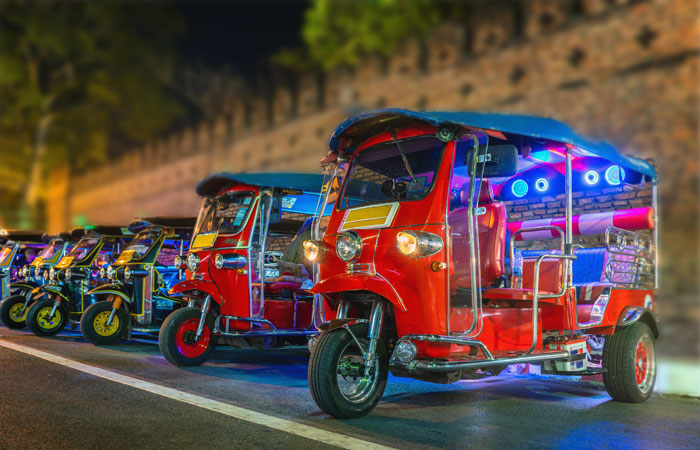
Electric Three-Wheeler Subsidy India 2026 Update: What Changed and What’s Next
Recently, there has been a massive shift in the automotive sector, as we are seeing a huge percentage of consumers shifting their choices from traditional diesel and petrol vehicles to electric ones. If you’ve been wanting to buy electric three-wheelers in India, recently you’ve probably noticed a lot of mixed information regarding subsidies. That’s because the rules genuinely changed in the last few months, and a lot of older articles online haven’t caught up to it yet. Here’s where things actually stand as of mid-2026.
Has the Central Subsidy for L5 Electric Three-Wheelers Really Ended?
In late December 2025, the central government discontinued demand incentives for L5 category electric three-wheelers under the PM E-DRIVE scheme. If you are not familiar with the term L5 vehicles, they are the larger three-wheelers used for cargo and passenger transport, the kind you see running as auto-rickshaws and load carriers in cities and towns, made by some of the Top Electric Three Wheelers Manufacturers in India.
The reason given wasn’t a budget cut. It was the opposite: the scheme worked faster than expected. The government had set a target of supporting around 2,88,809 L5 electric three-wheelers under PM E-DRIVE. By December 22, 2025, incentive claims had already reached 2,85,931 units, just short of the cap. With electric vehicle penetration in the three-wheeler segment estimated at around 32%, comfortably within the government’s original 20-30% target range, officials concluded the segment had matured enough to stand on its own without direct purchase incentives.
In practical terms, if you’re buying a new L5 electric three-wheeler from late December 2025 onward, you will not receive the central battery-capacity-linked subsidy that earlier buyers got. That subsidy used to bring down the upfront cost meaningfully, since it was calculated per kWh of battery capacity, so its removal does change the math for fleet operators and individual buyers in this category.
Why E-Rickshaws and E-Carts Are Still Eligible
This is where a lot of confusion comes from, and it’s worth being precise about it, because “electric three-wheeler” isn’t one single category from the government’s point of view.
E-rickshaws and e-carts (a separate, typically smaller and lighter classification from L5 cargo/passenger three-wheelers) have not lost their subsidy. Incentives for this category continue, though at a reduced rate, down to roughly ₹2,500 per kWh from earlier higher rates, with the scheme’s terminal date for this category pushed out to March 31, 2028. So, if you’re looking at a basic e-rickshaw for passenger use in a smaller town, central support is still available, just smaller than before.
This split matters a lot if you’re shopping around: the vehicle class you’re buying determines whether central money is still on the table.
Why the Government Pulled Back
A few things are happening at once here, and they’re worth understanding rather than just accepting at face value.
First, this genuinely looks like a policy success story being treated as one. Electric three-wheelers reached meaningful market penetration faster than two-wheelers or four-wheelers did, partly because the economics already worked well for commercial operators (lower running costs per kilometer matter a lot when you’re driving for a living), and partly because charging an e-rickshaw or cargo three-wheeler doesn’t require the same infrastructure buildout as a car.
Second, the government has focused toward a broader shift in priority. With the three-wheeler segment considered mature, attention and remaining PM E-DRIVE funds are moving toward electric buses, trucks, and ambulances, categories where adoption has lagged far behind targets. Officials have also indicated that the Centre intends to let states take the lead on further three-wheeler incentives going forward, rather than continuing central demand subsidies indefinitely.
Third, the PM E-DRIVE scheme was always designed as both fund-limited and number-limited (a detail spelled out in the scheme’s own Clause 46), so this wasn’t an arbitrary decision. Once either the funds or the approved vehicle count for a category are exhausted, incentive processing simply stops for that category, regardless of how much of the scheme’s overall 2028 timeline remains.
So Where Does That Leave Buyers in 2026?
According to Lakshita Sharma, Content Analyst at ViewGates, the more useful question for buyers in 2026 is no longer whether a central subsidy exists, but whether the total cost of ownership still favors an electric vehicle in their operating environment.
If central subsidies are off the table for L5 three-wheelers, your options now run through three channels instead of one.
State government schemes are the first place to look, and they vary widely. Several states still run their own three-wheeler incentive programs independent of the Centre, along with road tax waivers and registration fee exemptions that apply regardless of what’s happening with PM E-DRIVE. Since state policies change on their own schedules and several have shifted in the past year, the right move is to check your specific state transport department or state EV policy notification before assuming a scheme is or isn’t active.
GST relief still applies and isn’t going anywhere tied to the PM E-DRIVE timeline. Electric vehicles, including three-wheelers, continue to attract the lower 5% GST rate compared to much higher effective rates on petrol or diesel commercial vehicles, so part of the cost advantage of going electric remains baked in regardless of the subsidy situation.
Total cost of ownership arguments is arguably more important now than they were a year ago. With the upfront subsidy gone for L5 vehicles, the case for electric increasingly has to be made on running costs: lower per-kilometer energy costs compared to CNG or diesel, lower maintenance (fewer moving parts, no engine oil changes), and resale value, rather than on a government check-the-box discount at purchase.
What This Means If You’re Buying or Researching Right Now
A few practical takeaways, depending on what kind of three-wheeler you’re looking at.
If you’re considering a cargo or passenger L5 electric three-wheeler for commercial use, budget on the assumption that no central subsidy applies, then check whether your state offers anything separately. Don’t trust a price quote or online calculator that still factors in the old PM E-DRIVE three-wheeler incentive, since several of those tools and articles haven’t been updated yet.
If you’re considering a smaller e-rickshaw or e-cart, central incentives are still live, though smaller than before, so it’s worth asking your dealer directly what the current applicable rate is, since per-kWh figures have changed more than once in the past year.
If you’re a fleet operator weighing the timing of a large purchase, the subsidy clock has effectively already run out for L5 vehicles, so there’s no benefit to waiting for it to “kick in,” and the more useful question is whether your state has an active scheme with room left in its own allocation.
This article reflects the policy status as of mid-2026. Subsidy rules, especially at the state level, change frequently, so it’s worth confirming current eligibility with your dealer or your state transport department before finalizing a purchase.
ViewGates is a market research and business intelligence company that delivers reliable industry insights, market trends, and growth forecasts across global sectors. Our mission is to help businesses, investors, and decision-makers make informed strategic decisions through accurate, data-driven research and actionable market intelligence.
image courtesy : freepick

Related Posts
This Post Has 0 Comments